

Checklist for Planning a Kitchen Remodeling Project for Your Northern VA Home
A kitchen remodel is perhaps the most impactful investment a Northern Virginia homeowner can make, significantly enhancing daily life, functionality, and home value. Transforming this central area of your home requires careful foresight and comprehensive planning.
Before demolition begins, a detailed planning phase is essential to ensure your specific culinary and aesthetic desires are met, the project proceeds smoothly, and that all desired features and functionality are both feasible and can work within your established budget.
Here are the essential checklist items Northern VA homeowners should consider when planning their kitchen remodeling project:
1. How Will You Use Your Kitchen? – Defining Your Remodeled Kitchen’s Primary Function and Workflow
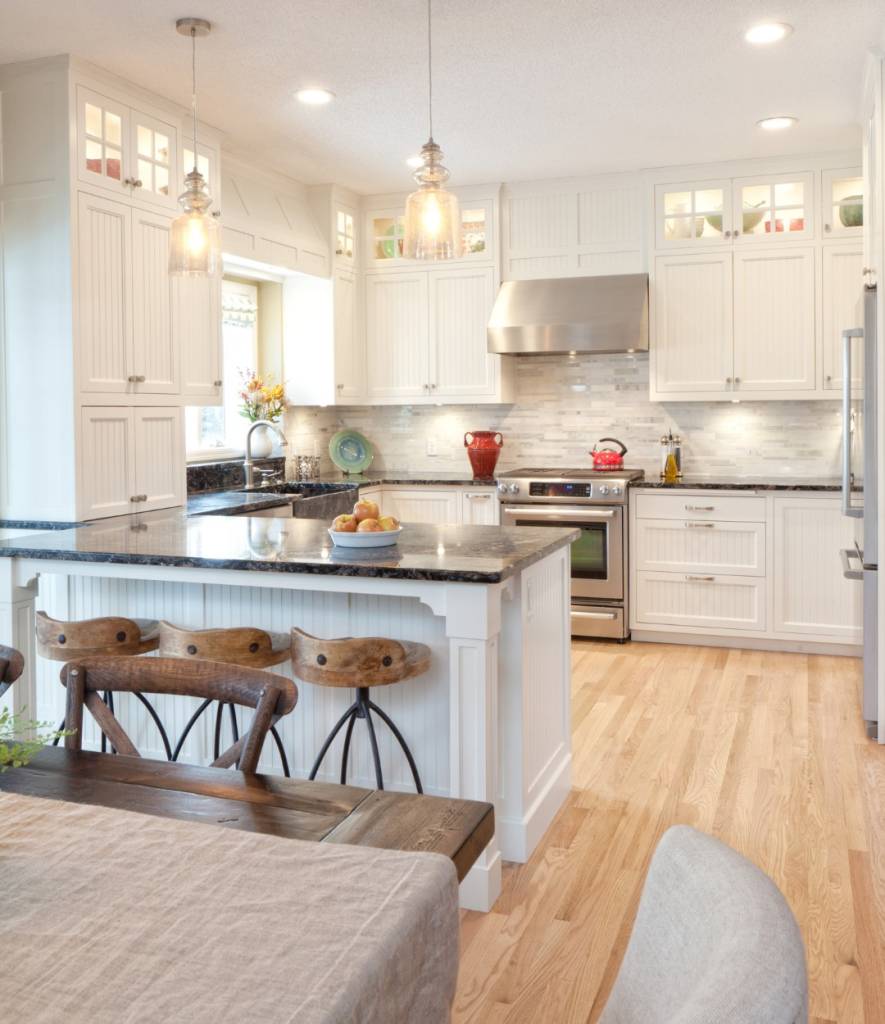
The first and most critical decision is determining how you truly use your kitchen. Is it primarily a high-efficiency workspace for serious cooking and meal prep, or a social hub integrated into an open-concept living area for entertaining guests? Kitchens increasingly are a central place to socialize with an ‘open concept, so is this your vision?
This choice dictates the floor plan, material durability, and necessary seating arrangements (e.g., island seating versus a dining nook). A clear purpose ensures that the design prioritizes either efficient workflow, often involving the classic “Work Triangle” of sink, stove, and refrigerator, or maximizing space and style for social interaction.
2. Water Water Everywhere – Integrating Plumbing and Specialized Water Features for Your Kitchen
Kitchen remodels frequently involve relocating or adding major water sources. You must decide on the location and number of sinks (e.g., a main sink and a secondary prep sink) and plan for dedicated water lines for specialized appliances, especially if they will be installed in a new kitchen island that will be added as part of your remodel. These may include a refrigerator’s ice maker, a built-in coffee station, or a convenient pot filler faucet installed near the range.
Relocating or adding plumbing is complex and impacts both cost and the overall schedule. Evaluate your cooking and entertaining habits to ensure all new water features are strategically placed and feasible within your home’s existing infrastructure.
3. How to Keep Your New Kitchen Organized? – Optimizing the Layout and Storage Solutions
Effective storage and an optimized layout are vital for a highly functional kitchen. Beyond the general traffic flow, you need to detail storage specifications to maximize utility. Consider features such as deep drawers for pots and pans, dedicated pull-out shelving for pantry items, specialized cabinet inserts for spices, and custom solutions for waste and recycling. The layout must respect the efficient flow of the work triangle while incorporating ample counter space and potentially specialized zones (like a dedicated baking station or a streamlined coffee bar) that improve daily efficiency.
4. Do You Envision Modern Kitchen Technology? (Probably Yes) – How to Integrate New Specialized Appliances and High-End Technology
If your vision includes high-end or specialized appliances, such as a professional-grade range, a speed oven, a warming drawer, or an under-counter beverage center, these must be defined early in the planning phase. Each specialty appliance has unique sizing, ventilation, and utility connection requirements. Specifying them upfront prevents costly modifications later in the construction phase, ensuring that cabinets are built to the precise dimensions and that necessary gas lines or high-voltage wiring are installed in the correct locations.
5. You Want Your Kitchen to be Properly Ventilated – Plan Your Ventilation and Air Quality Control
Proper ventilation is crucial for managing cooking odors, heat, and grease, especially in open-concept Northern VA homes. You must choose a range hood that is sized and powered appropriately for your cooking habits and appliance type (e.g., high CFM for a powerful gas range). Determine whether you require ducted ventilation (which vents air outside and is highly recommended for efficiency and heat management) or a ductless (recirculating) system. Ducted systems require more extensive planning regarding routing and construction.
6. A New Kitchen May Bring Elevated Electrical Needs – Assess Your Electrical Capacity for New Modern Kitchen Demands
Modern kitchens demand significantly more power than those built decades ago. Extensive lighting layers (task, ambient, accent), high-demand appliances (induction cooktops, double ovens), and numerous countertop outlets all require dedicated circuits. It is crucial to assess your home’s current electrical service and panel capacity before planning these additions. If your current service is insufficient, an electrical panel upgrade (often to 200 amps) will be necessary to safely support the increased load, meet modern electrical codes, and prevent system overloads. Consult with a licensed electrician to verify capacity requirements.
Planning a kitchen remodel should be an exciting process that leads to a beautiful, functional centerpiece for your home, not an overwhelming one. By thoughtfully considering these essential checklist items, you set the foundation for a successful project tailored precisely to your family’s culinary and lifestyle needs.
Ready to Start Planning to Transform Your Northern VA Kitchen?
Contact DNA Remodeling today for a no-obligation consultation. We will partner with you to analyze your space, discuss your budget, and ensure your vision for a perfect kitchen is achieved seamlessly.