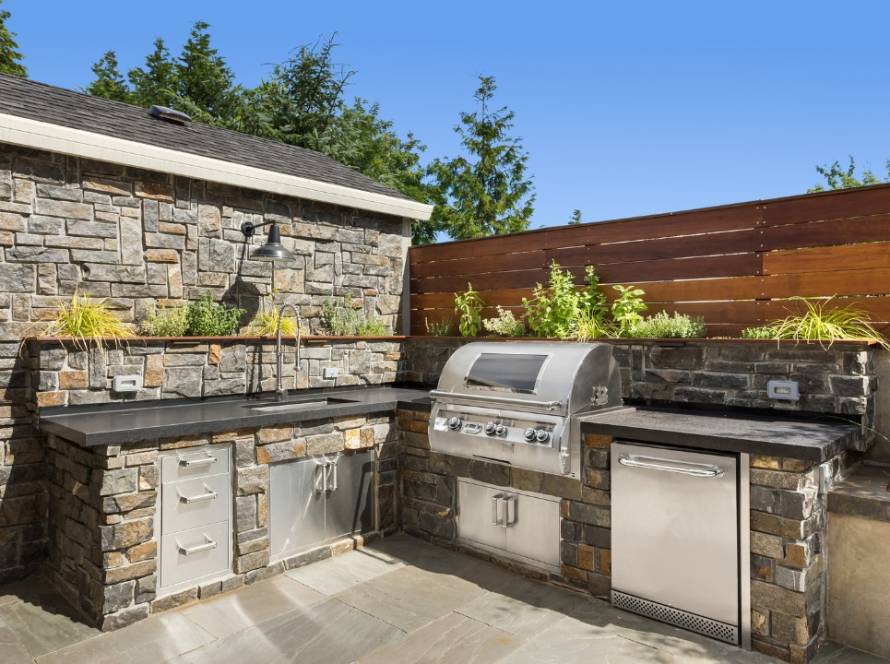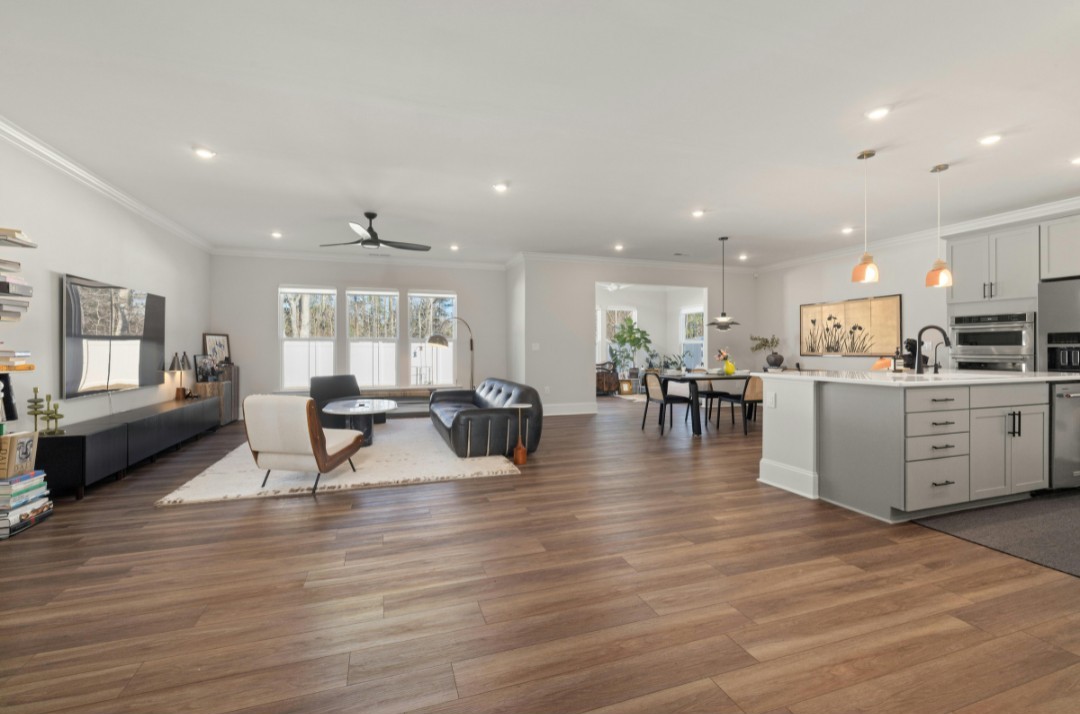
Kitchen and whole home remodels often involve opening walls to create larger, brighter, and more functional living spaces. While removing walls can completely transform a home’s layout, it’s important to remember that what lies behind those walls can have a significant impact on your project’s timeline, budget, and safety.
Before demolition begins, taking time to evaluate the structure and systems inside your walls can help prevent costly surprises. Here are some of the most important things to consider before opening up walls during your remodel.
Consideration 1: Determine Whether the Wall Is Load-Bearing
Not every wall serves the same purpose. Some walls support the weight of upper floors or the roof, while others simply divide rooms [1]. Removing a load-bearing wall without the proper structural support can compromise your home’s stability and create safety concerns.
A remodeling professional can determine whether a wall is structural and, if necessary, develop a plan to replace it with an appropriately engineered beam. Addressing this before demolition helps ensure your new floor plan is both beautiful and structurally sound.
Consideration 2: Plan for Hidden Electrical, Plumbing, and HVAC Systems
Walls often conceal far more than insulation and framing. Electrical wiring, plumbing lines, ductwork, and HVAC components may all be hidden behind the drywall [2], especially in kitchens and older homes.
Opening a wall may reveal outdated wiring, damaged plumbing, or mechanical systems that need to be relocated or upgraded before construction can continue. Identifying these systems early allows your remodeling team to plan accordingly and helps reduce unexpected delays once work begins.
Consideration 3: Don’t Overlook Permits and Building Codes
Many remodeling projects require permits, particularly when walls are moved or structural, electrical, plumbing, or HVAC systems are modified. Building permits help verify that construction meets current safety codes while protecting both your investment and your home’s long-term value [3].
Working with an experienced remodeling contractor helps streamline the permitting process while ensuring your renovation complies with local building requirements from start to finish.
Consideration 4: Consider the Age of Your Home
Older homes often come with hidden surprises. Homes built before 1978 may contain lead-based paint, and certain older building materials may also contain asbestos [4,5]. Disturbing these materials during demolition can create health risks if they are not handled properly.
Before opening walls in an older home, it is worth discussing the home’s age and construction history with your remodeling contractor so any necessary testing or safety precautions can be addressed before work begins.
Consideration 5: Think Beyond Today’s Remodel
Opening walls creates a unique opportunity to improve your home beyond the immediate renovation. Once the framing is exposed, homeowners may choose to add insulation, upgrade electrical capacity, relocate plumbing, improve lighting layouts, or prepare for future technology upgrades before the walls are closed again.
Planning these improvements early can help maximize the value of your investment while avoiding the need for additional demolition later.
Build Your Remodel on a Strong Foundation
Opening up walls can be one of the most exciting parts of a remodeling project, but it’s also where thoughtful planning makes the biggest difference. Evaluating structural support, hidden utilities, permitting requirements, and the condition of older building materials before demolition begins can help create a smoother renovation from start to finish.
Whether you are remodeling your kitchen or transforming your entire home, contact DNA Remodeling today to work with an experienced team that carefully plans every phase of your renovation, helping you create a beautiful space that’s built to last.
Sources:
- https://www.familyhandyman.com/article/load-bearing-walls/
- https://www.esfi.org/home-wiring-safety-tips/
- https://www.iccsafe.org/advocacy/safety-toolkits/consumer-safety/
- https://www.epa.gov/lead/lead-renovation-repair-and-painting-program
- https://www.epa.gov/asbestos/information-owners-and-managers-buildings-contain-asbestos