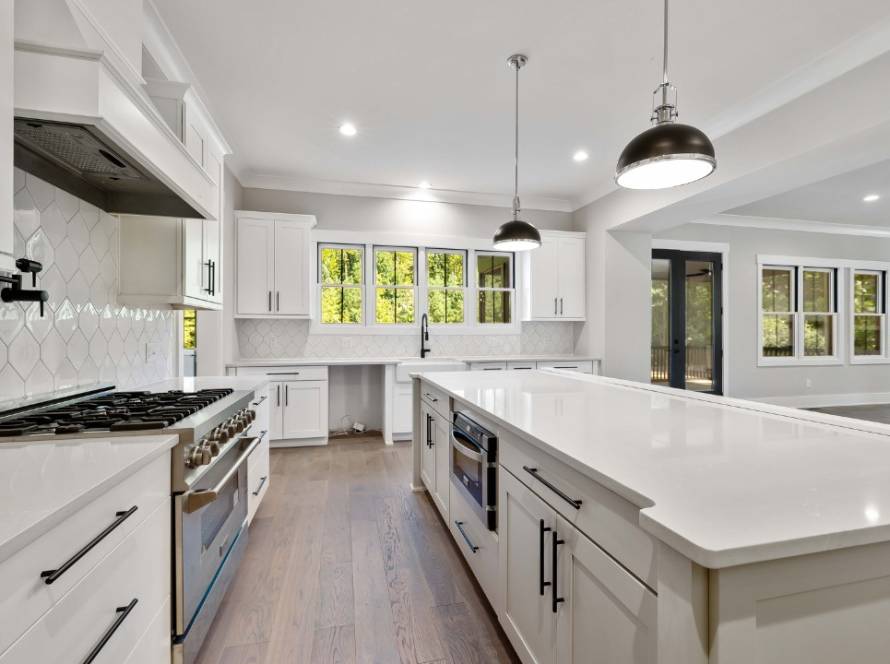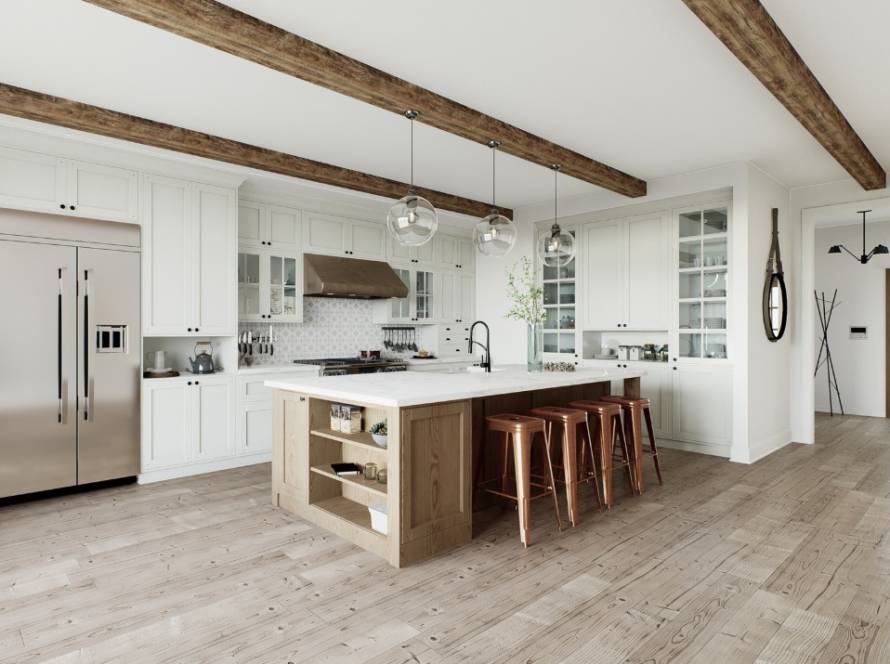
During a full house remodel, paint can seem like one of the easier decisions compared with selecting flooring, cabinetry, countertops, tile, and fixtures. However, the colors and finishes you choose have a major influence on how all those new elements come together.
The right paint choices can create flow between rooms, complement permanent materials, respond well to each space’s lighting, and provide the durability different areas of your home need. That makes paint part of the overall remodel design, not simply the finishing touch.
Here are some tips for picking paint during your home remodel.
Tip 1: Paint Color Helps Create a Cohesive Whole-Home Design
Remodeling several rooms at once gives you the opportunity to think about your home as one connected design. That does not mean every room needs to be painted the same color.
Instead, look for ways to create continuity. Choosing colors with similar undertones and considering existing or newly selected materials such as cabinets, countertops, and flooring can help create a cohesive whole-home color palette [1]. Consistent trim colors or coordinating neutrals can also connect spaces while still allowing individual rooms to have their own personalities.
Tip 2: Lighting Can Completely Change How a Color Looks
A color that looks perfect on a paint chip may appear different once it is on the wall. Natural light affects how paint appears throughout the day, and the direction a room faces influences the type and amount of light entering the space [2].
Undertones matter too. Both natural and artificial lighting can bring out a paint color’s underlying tones, while factors such as bulb type, color temperature, room orientation, and the amount of light can influence its appearance [3].
During a remodel, test potential colors in the actual rooms and view them at different times of day before making a final decision.
Tip 3: Paint Finish Matters Just as Much as Color
Color gets plenty of attention, but finish affects both appearance and performance. Paint finishes range from low-sheen options such as flat and matte to more reflective satin, semi-gloss, and high-gloss finishes.
Higher-sheen finishes reflect more light and can emphasize architectural details, while lower-sheen finishes diffuse light and create a softer appearance [4]. Finish can also influence durability and maintenance, making the way a room is used an important consideration.
Tip 4: Match the Finish to How Each Room Is Used
There is no reason to use one finish on every surface throughout a remodeled home. Bedrooms and living areas may benefit from softer finishes, while busy spaces require different priorities.
Higher-sheen finishes are generally better suited to areas exposed to more moisture, activity, or frequent cleaning, including kitchens, bathrooms, trim, and doors [4].
Using different finishes can also add subtle dimension. For example, walls can have a softer appearance while a higher sheen highlights newly installed trim or architectural details.
Tip 5: Coordinate Paint With Your Remodeling Materials
Paint selections should work with the larger investments being made throughout your remodel. Consider how wall colors interact with flooring, cabinetry, countertops, tile, wood tones, fixtures, and built-ins.
Since all of these elements will eventually share the same space, making paint decisions as part of the broader design process can help the finished home feel intentional rather than pieced together room by room.
Tip 6: Think Beyond Appearance When Choosing Paint
A full house remodel may involve painting several spaces within a relatively short period. Product selection and ventilation are therefore worth considering alongside color and finish.
Many paints release volatile organic compounds, or VOCs, into indoor air, and using lower-emitting products and providing adequate ventilation during and after application can help reduce indoor exposure [5].
Bring Your Whole-Home Design Together With DNA Remodeling
A successful full house remodel is about more than choosing beautiful materials individually. From flooring and cabinetry to wall colors and finishes, each decision should contribute to a home that feels cohesive, functional, and thoughtfully designed.
DNA Remodeling can help bring those details together as part of a complete renovation plan. Contact DNA Remodeling today to start creating a whole-home design that feels intentional from the first major remodeling decision to the final coat of paint.
Sources:
- https://www.architecturaldigest.com/story/choose-paint-colors-entire-house
- https://www.sherwin-williams.com/en-us/project-center/paint/color-by-room-orientation
- https://blog.sherwin-williams.com/color/color-guidance/understanding-paint-undertones/
- https://www.apartmenttherapy.com/how-to-choose-the-right-paint-finish-for-every-room-37562744
- https://www.epa.gov/indoor-air-quality-iaq/addressing-indoor-environmental-concerns-during-remodeling