As we age, our relationship with our home changes. What once felt perfectly functional may gradually become challenging to navigate. The good news is that thoughtful renovations can transform your living space into a safer, more accessible environment that supports independence and comfort for years to come.
Creating a senior-friendly home doesn’t mean sacrificing style for functionality. With careful planning and the right modifications, you can maintain the beauty of your space while significantly improving its safety and usability. Here are our top tips for renovating a home to make it more senior-friendly.
Tip #1: Know Where to Start
Before beginning any renovations, evaluate your current living space. Walk through each room and assess potential hazards and accessibility challenges. A professional contractor can help identify issues you might overlook, such as uneven flooring, inadequate lighting, or structural barriers that could be problematic.
Pay special attention to areas where you spend the most time and routes you travel frequently throughout the day. These high-traffic zones should be your renovation priority, as improving them will have the greatest impact on your daily comfort and safety.
Tip #2: Prioritize Bathroom Safety and Accessibility
The bathroom is one of the highest-risk areas in homes. Water, smooth surfaces, and frequent transitions between sitting and standing create multiple fall hazards that can be addressed through strategic modifications.
Essential bathroom safety upgrades can include:
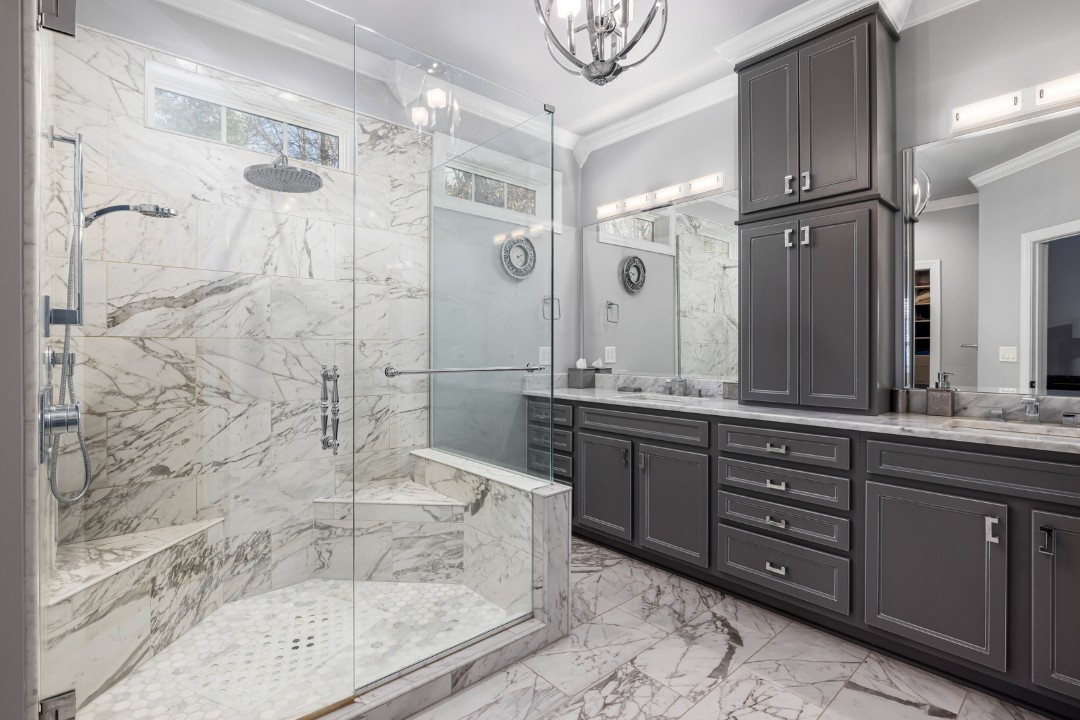
- Walk-in showers that eliminate high thresholds and reduce trip hazards
- Professionally installed grab bars anchored to wall studs for reliable support
- Comfort-height toilets that reduce strain on knees and hips
- Lever-style faucet handles that don’t require gripping and twisting
- Non-slip flooring materials that maintain traction when wet
- Adequate lighting with motion sensors for nighttime navigation
- Shower seats for safer bathing while seated
Tip #3: Improve Lighting Throughout Your Home
Adequate lighting becomes increasingly important with age, as changes in vision can make navigation more challenging, especially in low-light conditions. Poor lighting is a major contributing factor to falls and accidents in the home.
Consider installing motion-activated lighting in hallways, stairways, and entryways to eliminate the need to find switches in the dark. These systems provide immediate illumination when movement is detected, significantly reducing fall risks.
You can also explore smart lighting systems that can be controlled remotely or programmed to adjust automatically based on the time of day. These technologies allow you to customize lighting for different activities and ensure optimal visibility when needed most.
Tip #4: Widen Doorways If Necessary
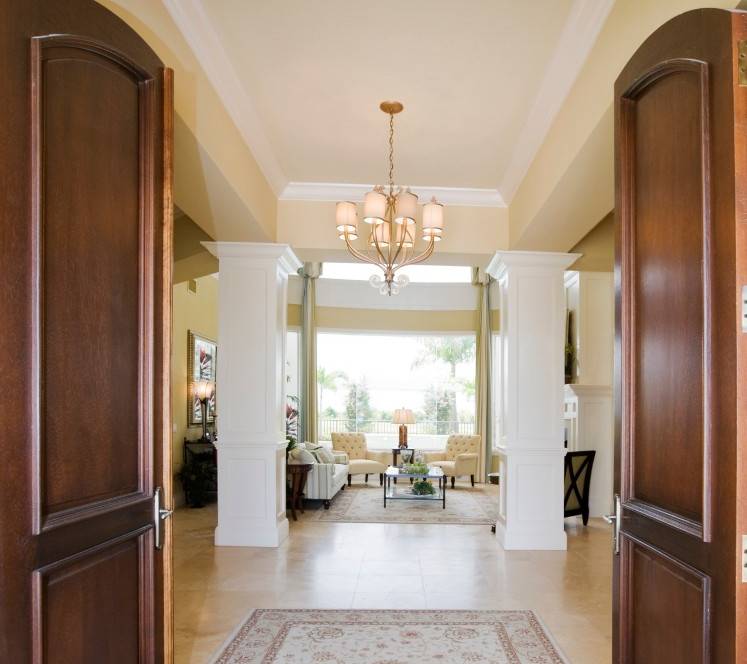
Standard doorways can become obstacles for people using mobility aids such as walkers, wheelchairs, and even canes. Widening doorways from the typical 32 inches to 36 inches or more creates easier passage and reduces the risk of bumping into door frames or even falling.
Focus on high-traffic areas first, such as the pathway from the bedroom to the bathroom or from the kitchen to the living room. Consider the doorway threshold as well—removing or reducing raised thresholds eliminates another potential tripping hazard.
It’s also important to consider the threshold for interior room access, including closets and storage areas that you use regularly.
Tip #5: Add a Main-Level Bedroom and Bathroom
If stairs are becoming problematic, consider adding a bedroom and full bathroom to your main level. Adding these essential spaces to the main level can eliminate the daily need to navigate stairs while ensuring access to all necessary living areas.
This renovation often involves converting existing space, such as a dining room, den, or large living area, into a comfortable bedroom suite. The bathroom should incorporate the same accessibility features discussed earlier, including walk-in showers and comfort-height fixtures.
Tip #6: Focus on Flooring Safety
Flooring plays a crucial role in preventing falls and ensuring safe navigation throughout your home. To keep flooring safe to navigate, consider:
- Replacing high-pile carpets that can catch mobility aids or create tripping hazards with low-pile options
- Install slip-resistant flooring materials in bathrooms, laundry rooms, and kitchens that maintain their grip even when damp
- Eliminate or secure loose rugs and mats that can shift underfoot. If you prefer to keep decorative rugs, ensure they have a non-slip backing and are properly secured to prevent movement
- Address any uneven transitions between different flooring types, as these can create tripping hazards for those with mobility challenges or vision changes
Tip #7: Work With Experienced Professionals
Senior-friendly renovations require specific knowledge about accessibility guidelines, safety requirements, and age-related mobility considerations. Working with contractors who understand these unique requirements ensures your modifications will be both effective and properly done.
When choosing professionals for your aging-in-place renovations, look for contractors who offer experience with accessibility modifications and age-in-place projects. Professional contractors should handle permit processes to ensure compliance with local building codes, particularly for structural changes like doorway modifications or bathroom reconfigurations.
Create Your Senior-Friendly Home With Us
DNA Remodeling is here to help you implement strategic renovations that transform your current home into a safer, more accessible environment that supports independent living for years to come. Let us help you identify and prioritize the changes that will have the greatest impact on your daily comfort and safety. Contact us for a free consultation today!